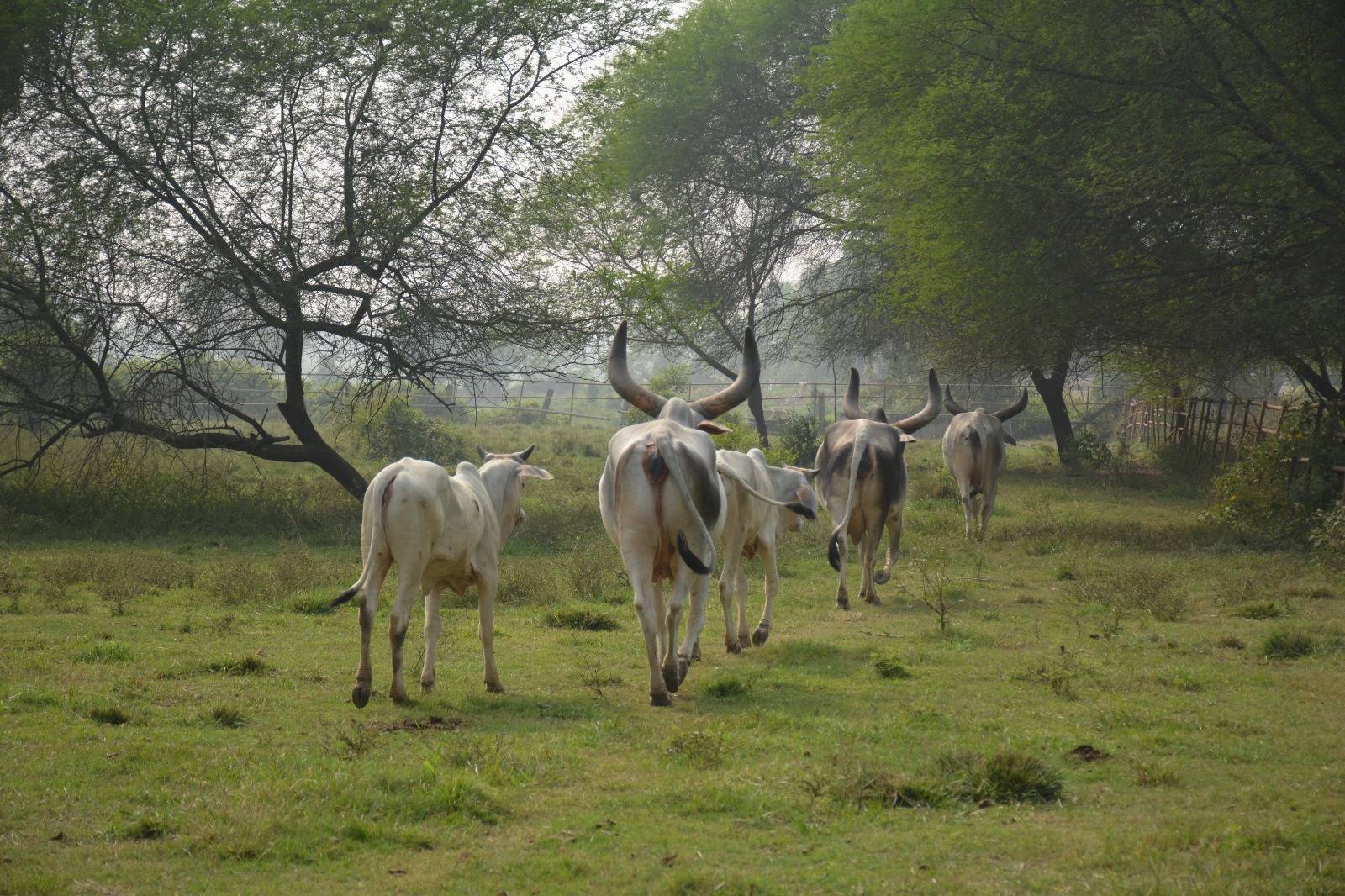
In our rapidly modernizing world, the ancient practice of cow protection might seem outdated to some. However, the dharma (righteous duty) of protecting cows remains as relevant today as it was thousands of years ago, offering profound benefits that extend far beyond what meets the eye.
The Spiritual Foundation of Cow Protection
The Vedic scriptures consistently emphasize the sacred nature of cows. In the Bhagavad Gita, Lord Krishna declares, "I am Kamadhenu among cows" (10.28), highlighting the divine connection between the Supreme and these gentle creatures. This isn't merely symbolic – it reflects a deep understanding of the cow's role in sustaining both material and spiritual life.
Cows represent several divine qualities that we aspire to develop:
- Gentleness and Non-violence: Cows naturally embody ahimsa (non-violence), teaching us compassion through their peaceful nature.
- Generosity: They give freely of their milk, asking for nothing but grass and care in return.
- Motherhood: The cow is revered as a universal mother, nourishing all beings through her gifts.
- Patience: Their calm demeanor teaches us the virtue of patience in our spiritual journey.
"The cow is the mother of all living beings. She gives milk, which is the basis of all prosperity. Therefore, the cow should be protected by all means."
— Srimad Bhagavatam
Environmental Benefits of Cow Protection
Modern environmental science is rediscovering what ancient wisdom always knew – cows play a crucial role in maintaining ecological balance:
Sustainable Agriculture
Indigenous cow breeds are perfectly adapted to local climates and contribute to sustainable farming practices. Their dung serves as excellent organic fertilizer, reducing dependence on chemical alternatives that harm soil health.
Carbon Sequestration
When managed properly in rotational grazing systems, cows actually help sequester carbon in grasslands, contributing to climate change mitigation rather than exacerbating it.
Biodiversity Preservation
Protecting indigenous cow breeds helps maintain genetic diversity, which is crucial for agricultural resilience in the face of climate change and disease.
Economic and Social Impact
Cow protection creates a ripple effect of positive economic and social outcomes:
Rural Employment
Goshalas and cow-based agriculture provide meaningful employment in rural areas, helping stem the tide of urban migration and preserving traditional knowledge.
Nutritional Security
Cow milk and dairy products from protected, well-cared-for cows provide superior nutrition, especially the A2 milk from indigenous breeds, which is easier to digest and more nutritious.
Community Building
Goshalas serve as centers of community activity, bringing people together around shared values of compassion and service.
Challenges in Modern Times
Despite these benefits, cow protection faces several challenges in the modern world:
- Economic Pressures: The immediate economic returns from cow protection may seem lower than industrial alternatives.
- Urbanization: As populations move to cities, the connection with rural life and cow care diminishes.
- Misconceptions: Lack of understanding about the true benefits of cow protection leads to dismissal of its importance.
- Resource Constraints: Proper cow care requires significant resources and expertise.
The Sri Mayapur Goshala Model
At Sri Mayapur Goshala, we demonstrate how traditional cow protection can thrive in modern times:
Integrated Approach
We combine traditional care methods with modern veterinary science, ensuring our cows receive the best possible care while maintaining spiritual principles.
Education and Awareness
Through our volunteer programs and visitor initiatives, we educate people about the importance of cow protection, creating a new generation of advocates.
Sustainable Practices
Our 120-acre facility demonstrates sustainable agriculture, organic farming, and renewable energy use, proving that cow protection and environmental responsibility go hand in hand.
Community Engagement
We actively involve the local community in our activities, creating economic opportunities while preserving cultural values.
How You Can Participate
The dharma of cow protection is not limited to those who can physically care for cows. There are many ways to participate:
- Financial Support: Donations help maintain goshalas and support cow care programs.
- Volunteer Service: Hands-on involvement in cow care provides direct spiritual benefit.
- Advocacy: Spreading awareness about the importance of cow protection.
- Lifestyle Choices: Supporting products from protected cows and avoiding those from industrial farming.
- Education: Learning about and teaching others the principles of cow protection.
The Future of Cow Protection
As we face global challenges like climate change, food security, and social inequality, the ancient wisdom of cow protection offers practical solutions. The future lies in:
- Integrating traditional knowledge with modern technology
- Creating economically viable models of cow protection
- Building networks of goshalas and supporters worldwide
- Educating younger generations about these timeless principles
Conclusion
The dharma of cow protection is not a relic of the past but a blueprint for a sustainable, compassionate future. By protecting cows, we protect our environment, our health, our communities, and our spiritual well-being. Every act of service to these gentle creatures is an investment in a better world for all beings.
At Sri Mayapur Goshala, we invite you to be part of this timeless mission. Whether through donation, volunteering, or simply spreading awareness, your participation helps ensure that the sacred tradition of cow protection continues to benefit humanity for generations to come.